


A growing body of global research is reshaping how we understand early childhood development.
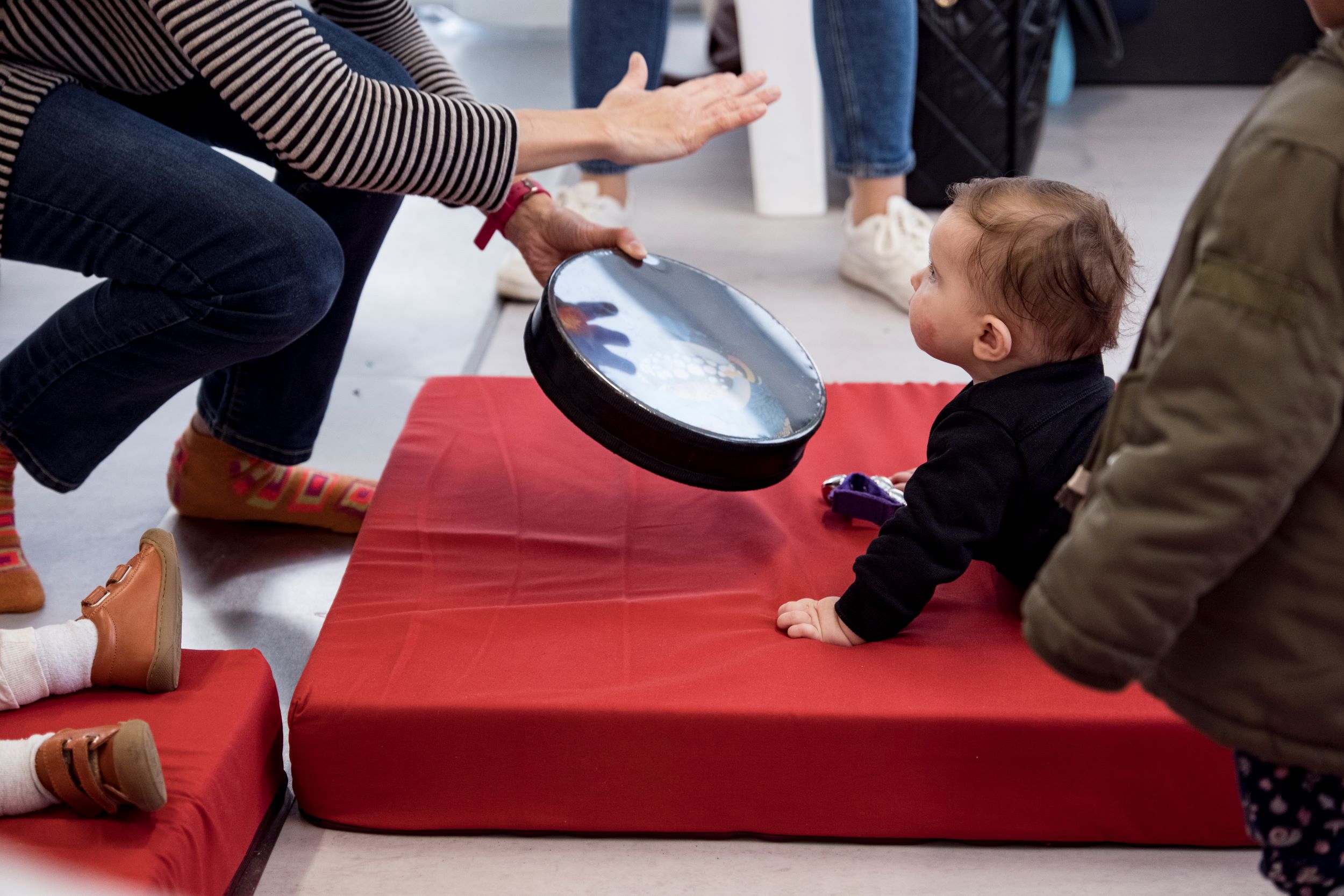
While the importance of the First 1,000 Days—from conception to age two—is well established, a recent comprehensive report from The Lancet highlights the crucial significance of the Next 1,000 Days (ages 2–5).
According to the report, parenting education programmes in low- and middle-income countries lead to sizeable improvements in children’s cognitive and behavioural outcomes. These findings, drawn from 100 studies and 951 impact estimates, confirm that structured support for parents has a powerful effect on a child’s development.
The study also emphasises the long-term benefits of early childhood care and education. Children with at least one year of early childhood care and education achieved higher scores in maths and reading at age 15, were less likely to repeat a year at school, and showed reduced engagement in risky behaviours such as underage alcohol use.
In short, investing in children aged 2 to 5 yields lasting returns—not only in academic achievement and school readiness but also in fostering positive lifelong outcomes.
As the conversation around early childhood development progresses, this evidence strongly supports expanding parenting and early learning programmes during these critical years.