


Posted
Partnering for Parenting: How Strategic Collaboration Transforms Early Childhood Development
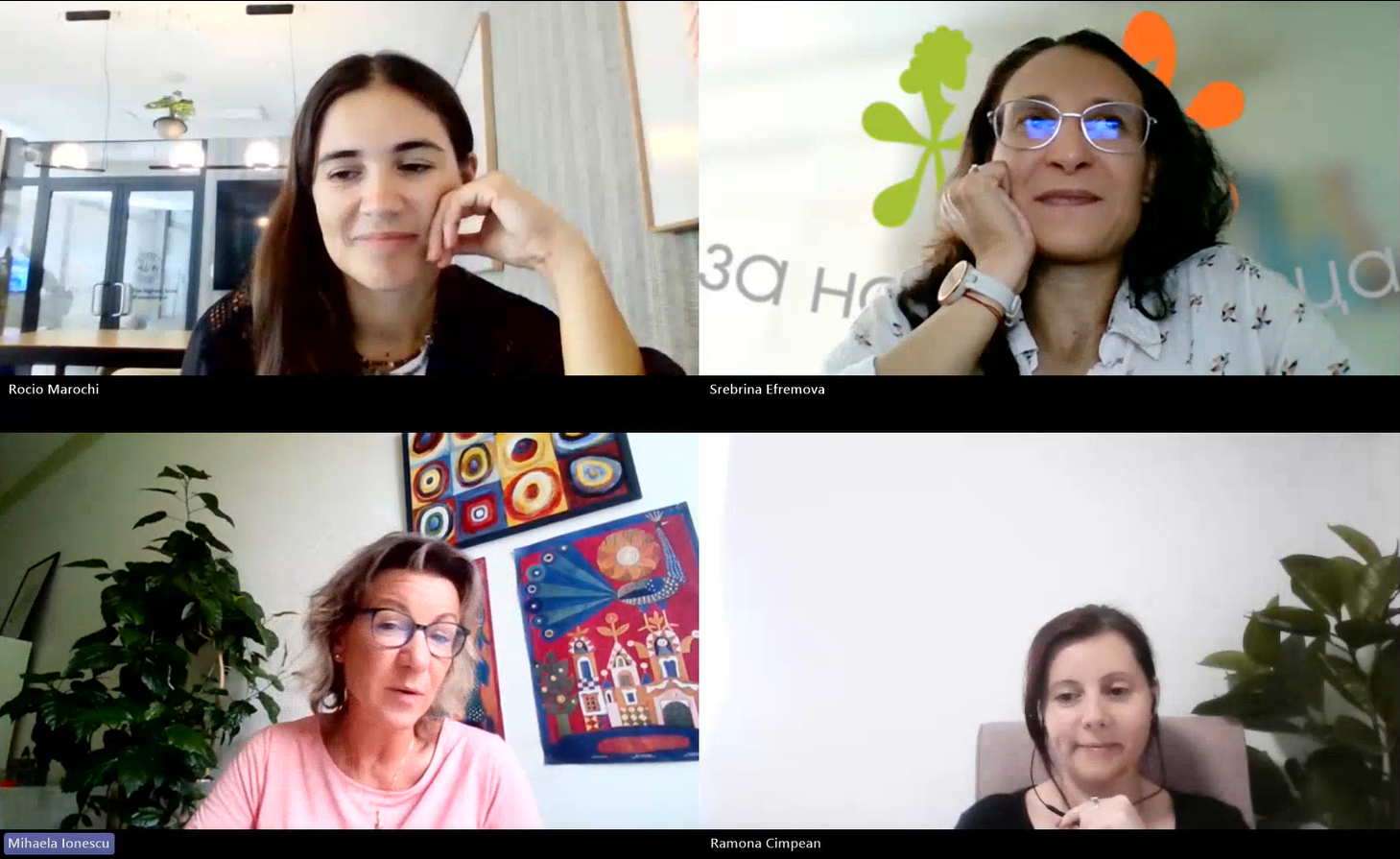
During Global Parenting Month, The Human Safety Net brought together in a webinar thought leaders and practitioners to explore one of the most critical questions in international development: How can partnerships between civil society organizations and local governments create lasting change in early childhood development?
The answer, as shared by speakers from Bulgaria, Argentina, and Romania, reveals a compelling blueprint for scaling impact across borders.
The Gap: Why Partnerships Matter
The challenge is staggering. Only 43% of children under five globally have access to quality early childhood development services. This disparity is not random—it reflects systemic barriers that no single organization can overcome alone. Four persistent obstacles emerged from the webinar discussion:
- Fragmentation across sectors and service providers, creating gaps in holistic support
- Project-based funding cycles that undermine long-term sustainability
- Inequitable reach, leaving the most vulnerable communities behind
- The tension between scaling quickly and maintaining quality
These challenges demand integrated solutions. Partnerships provide exactly that—they bring together diverse expertise, resources, and legitimacy to tackle problems at scale.
The Strategy: Building Bridges Between Civil Society and Government
Strategic partnerships between civil society and local governments are not transactional. They are transformative. By combining the agility and innovation of NGOs with the reach and legitimacy of municipal authorities, these collaborations create sustainable systems rather than temporary interventions.
Three countries demonstrate what this looks like in practice.
Bulgaria: The Holistic Approach
Bulgaria's approach centers on municipal partnerships that deliver multidisciplinary support. Rather than siloing health, education, and social services, the Bulgarian model integrates them from the start. Early childhood development specialists work alongside educators, health professionals, and social workers within a single coordinated framework.
This holistic strategy recognizes that a child's development is not compartmentalized. A child facing food insecurity cannot fully benefit from educational programming. A child with unaddressed health issues cannot concentrate in learning. By treating the whole child within the whole family system, Bulgarian municipalities have achieved measurable improvements in developmental outcomes and family well-being.
Argentina: The Community-Led Model
Argentina's success stems from a bottom-up approach where community organizations engage directly with families, then partner with municipal governments to scale and sustain efforts. This model prioritizes local ownership and cultural relevance, ensuring that interventions reflect the actual needs and strengths of communities.
By starting with communities and building partnerships upward, Argentina avoids the pitfalls of top-down programming that often misses the mark. Local government involvement ensures that successful pilots can be integrated into public systems, creating pathways from demonstration to permanent service provision.
Romania: Strategic Timing and Evidence
Romania demonstrates the power of strategic timing and evidence-based validation. By carefully selecting moments when policy windows opened, and by systematically documenting outcomes, Romanian organizations and government partners made compelling cases for national scaling. What began as localized pilots, backed by rigorous data, became national policy.
This approach teaches an important lesson: innovation alone is insufficient. Innovation paired with evidence, presented at the right political moment, can fundamentally reshape national systems.
Key Lessons for Global Practice
What emerges from these three examples is a set of principles that transcend geography:
- Integration beats fragmentation: Coordinate across sectors to serve the whole child and family
- Community voice is foundational: Start with what communities know and need, then build partnerships to amplify impact
- Evidence informs scale: Rigorous documentation of outcomes creates the case for systemic change
- Government partnership is essential: Sustainable change requires embedding interventions into public systems
- Timing matters: Policy windows are real. Organizations that build relationships in advance can move quickly when opportunities arise
- Quality is non-negotiable: As you scale, maintain the quality that made pilots successful
Looking Forward
The webinar concluded with a powerful reflection: partnerships are not a luxury or an afterthought in global development work. They are the core strategy through which sustainable, equitable impact is achieved. The leaders from Bulgaria, Argentina, and Romania are not outliers—they represent an emerging consensus among the most effective organizations working in early childhood development.
As Global Parenting Month reminds us, every child deserves the foundation for thriving. Strategic partnerships between civil society and government make that aspiration concrete. For practitioners, funders, and policymakers watching this space, the message is clear: the question is no longer whether to partner, but how to partner most effectively.