


These are the findings of a study commissioned by The Human Safety Net France to Intersection Le Lab. It is based on a survey of more than 1,400 parents living below the poverty line in France. It focuses on families with children under the age of six.
Posted
Parenting and financial hardship: pressure, isolation and unequal access to resources
Being a parent below the poverty line often means carrying a heavier burden with fewer people to rely on. It also means being more reluctant to ask for help for fear of being judged.
Parents under pressure, especially when money is tight
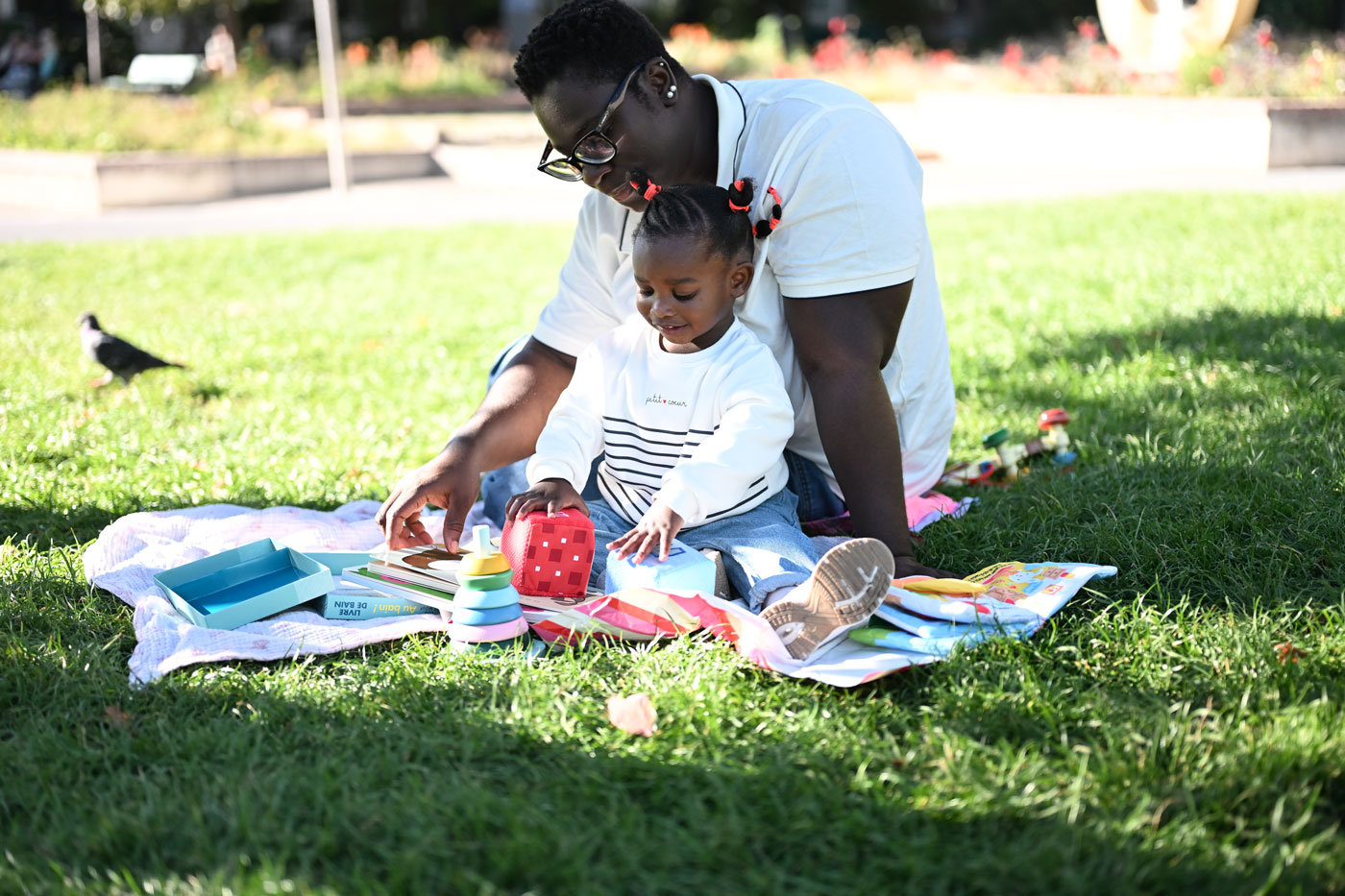
Parental pressure affects families from all backgrounds, and mothers experience it more often than fathers, regardless of their standard of living. For parents living below the poverty line, financial difficulties at the end of the month add to this pressure. 7 parents out of 10 living under the poverty line struggle to meet their children’s needs, compared with 4 in 10 among those living above the poverty line.
Income inequalities are also inequalities in social connections
The financial pressure is even worse without a support network. It is said that it takes a village to raise a child, but what if the village does not exist? Among parents living below the poverty line, 71% experience at least some form of isolation, 19 percentage points more than other parents. Mothers raising their children alone are particularly affected. These support networks are also crucial in helping parents find assistance. Without those networks, parents must identify where to turn for help on their own.
Support is considered useful, but asking for it is difficult
Most of these parents nevertheless feel capable of fulfilling their role without turning to a support service. This does not mean they reject support, as a large majority consider information about available assistance, welcoming community spaces and opportunities for respite useful. However, the fear of how others may perceive them remains a barrier. 45% worry that they would be judged if they sought help from a support organisation, compared with 34% of parents living above the poverty line. The families most in need of support may therefore be the ones most hesitant to ask for it.
Eight field-based levers for action
The study calls for early action, before challenges become entrenched, building on the approaches already used by the NGO partners of the For Families programme. At the Halte des Parents in Marseille, run by Apprentis d’Auteuil, parents are asked only for their first name when they arrive. Intermèdes Robinson sets up play areas in underserved neighbourhoods, temporary accommodation centres and informal settlements. Eight approaches emerge from these practices, covering every stage from the first interaction to the support network surrounding each family:
- Reach out to families
- Build trust
- Adapt to the realities of everyday life
- Empower parents
- Harness the power of the group
- Create opportunities for respite
- Support the parent-child relationship
- Keep the “village” alive